Towns, villages and other local councils
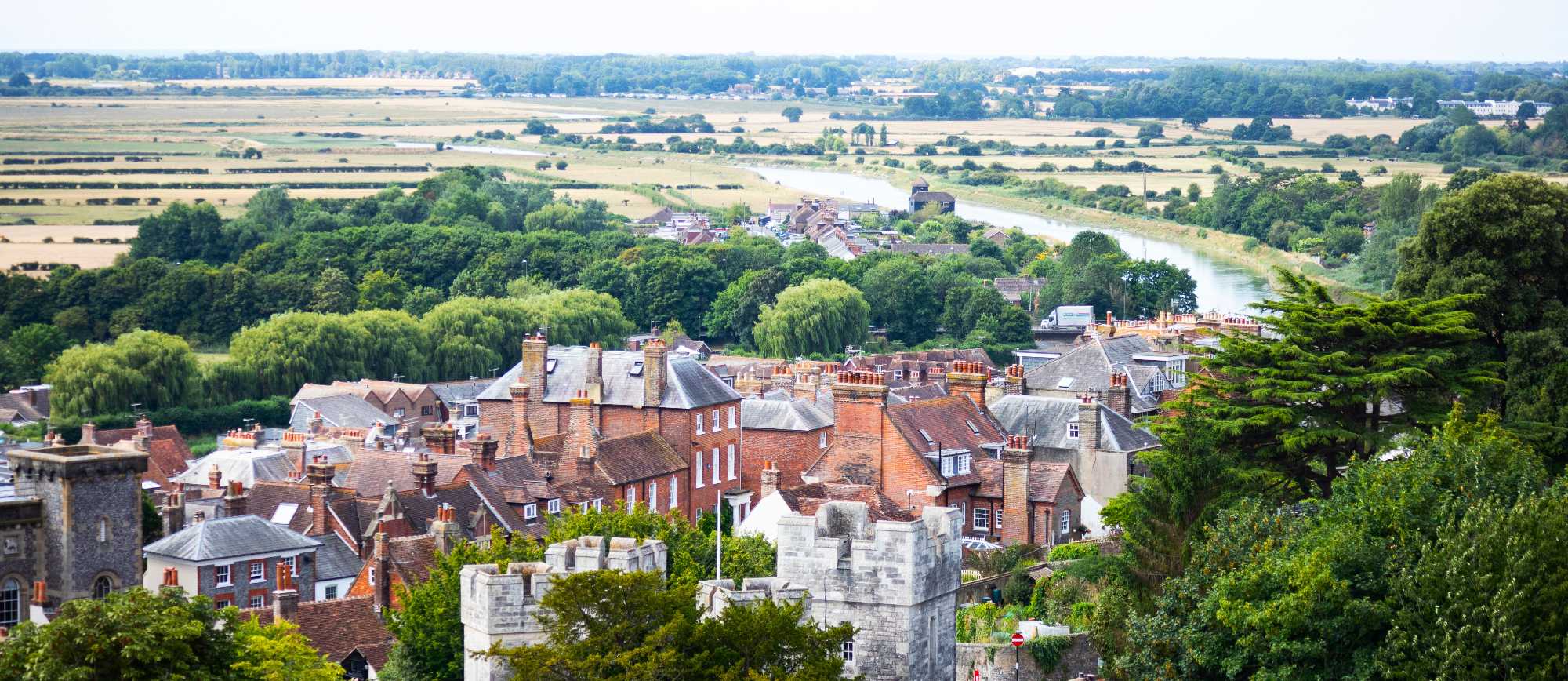
Towns, villages and local authorities have a major influence on how land, water and natural resources are used and managed. Decisions about planning, housing, transport, parks, public spaces and infrastructure can have lasting effects on both people and the natural environment. The environmental challenges facing each place are different. Coastal towns may need to respond to storms, erosion and sea-level rise, while villages near rivers or in valleys may be more exposed to flooding. The solutions chosen to address these risks can also change local landscapes and habitats. By taking biodiversity and sustainability into account, local authorities and communities can find solutions that protect people and places while also supporting nature, reducing environmental pressures and building resilience to climate change.
Planning for nature across the whole town
The way a town or city is planned and managed can make a significant difference to local wildlife. Protect existing habitats and green spaces such as parks, rivers, woodlands and hedgerows, and where possible connect them through green corridors so that wildlife can move between them. New habitats can also be created through tree planting, wildflower verges, ponds, community gardens and wildlife-friendly parks. Choosing native plants for public spaces can provide food and shelter for local species while often requiring less maintenance. Simple changes to how these spaces are managed can also help: mowing grass less frequently allows wildflowers to grow and provides more food and shelter for insects and other wildlife, while reducing or avoiding pesticides protects pollinators and other species. Wildlife can also be supported through features such as bird nesting spaces on buildings and wildlife-friendly fencing.
Using nature to prepare for climate change
Your town can use natural features to help manage the impacts of a changing climate. As extreme weather events become more frequent or severe, plan for heavier rainfall, flooding, heatwaves, drought and, in coastal areas, storms and erosion. In cities and towns, reduce unnecessary sealed or mineralised surfaces such as concrete and asphalt. These surfaces absorb and store heat during hot weather, then radiate it back into the surrounding area, making streets and built-up areas significantly hotter. They also prevent rainwater from soaking into the ground, causing water to run quickly across the surface and increasing the risk of flooding during heavy rainfall. Where possible, replace hard surfaces with planted areas and green spaces. Wetlands, ponds, floodplains and rain gardens can absorb and store excess water, while trees, hedges and parks provide shade and help cool urban areas.
Making sustainable travel easier
Safe, connected routes between homes, schools, workplaces, shops and green spaces can make walking, cycling and public transport practical alternatives to travelling by car. Providing good cycling infrastructure is an important first step: when safe, connected cycle lanes are available, more people are likely to choose to cycle. Adding trees and vegetation along these routes can provide shade and create wildlife corridors at the same time. Changing how people move around a town can also help reshape the town itself. New pedestrian streets, cycling lanes, and tram lines can reduce the space given to cars and create more room for pedestrians, cyclists and vegetation. Park-and-ride systems, where people leave their cars outside the town centre and continue by public transport, can further reduce traffic in busy areas. Changing the way people travel is important for reducing carbon emissions and air pollution, which is a serious health problem in many cities.
Collaborate with stakeholders
Creating wildlife-friendly and sustainable towns requires cooperation between the people and organisations that shape and use them. Local authorities can work with businesses, community groups, environmental organisations, landowners, schools and residents to identify local environmental problems and agree on practical solutions. For example, businesses can help create greener buildings and outdoor spaces, community groups can restore local habitats, and councils can provide the land, funding or infrastructure needed to support these projects.
Working together also makes it easier to coordinate action across a whole town rather than having isolated projects in different areas. Local groups can share knowledge, collect information about wildlife and identify places where habitats could be improved or connected. Bringing different stakeholders together can help create a shared vision for the future of the town and ensure that decisions about development, transport, green spaces and infrastructure take both people and nature into account.
Conservation and Human Use Index (CHUI): helps communities and decision-makers assess the health and resilience of coastal areas. It brings together information about the environment, natural resources, governance and the people who use and manage coastal areas, helping identify weaknesses, priorities and opportunities for better coastal management.
Link to the CHUI tool
Future-Scapes: a practical toolkit that helps communities work together to understand local climate challenges and plan solutions. It provides simple activities and tools for mapping risks, identifying opportunities and bringing local knowledge and different stakeholders together to develop a shared vision for the future.
Link to Future-Scapes
The Community Climate Coaches Resilience Pathway Toolkit: provides practical methods for communities to come together and take action on climate change. It helps groups build local connections, identify strengths and opportunities, develop ideas and projects, and work together to create more sustainable and resilient neighbourhoods.
Link to the CCCRP toolkit
Green Map: helps communities create their own interactive maps of local sustainability resources and challenges. Residents can work together to map green spaces, biodiversity, community gardens, recycling points, bike routes, renewable-energy projects and other places that contribute to a more sustainable town.
Link to the Green Map tool
Patchppl: helps residents work together to transform neglected public spaces into shared green spaces. People can find local projects, join stewardship groups, coordinate activities and track improvements over time. It provides a simple way for communities to care for small spaces and gradually create greener, more connected neighbourhoods.
Link to Patchppl Website
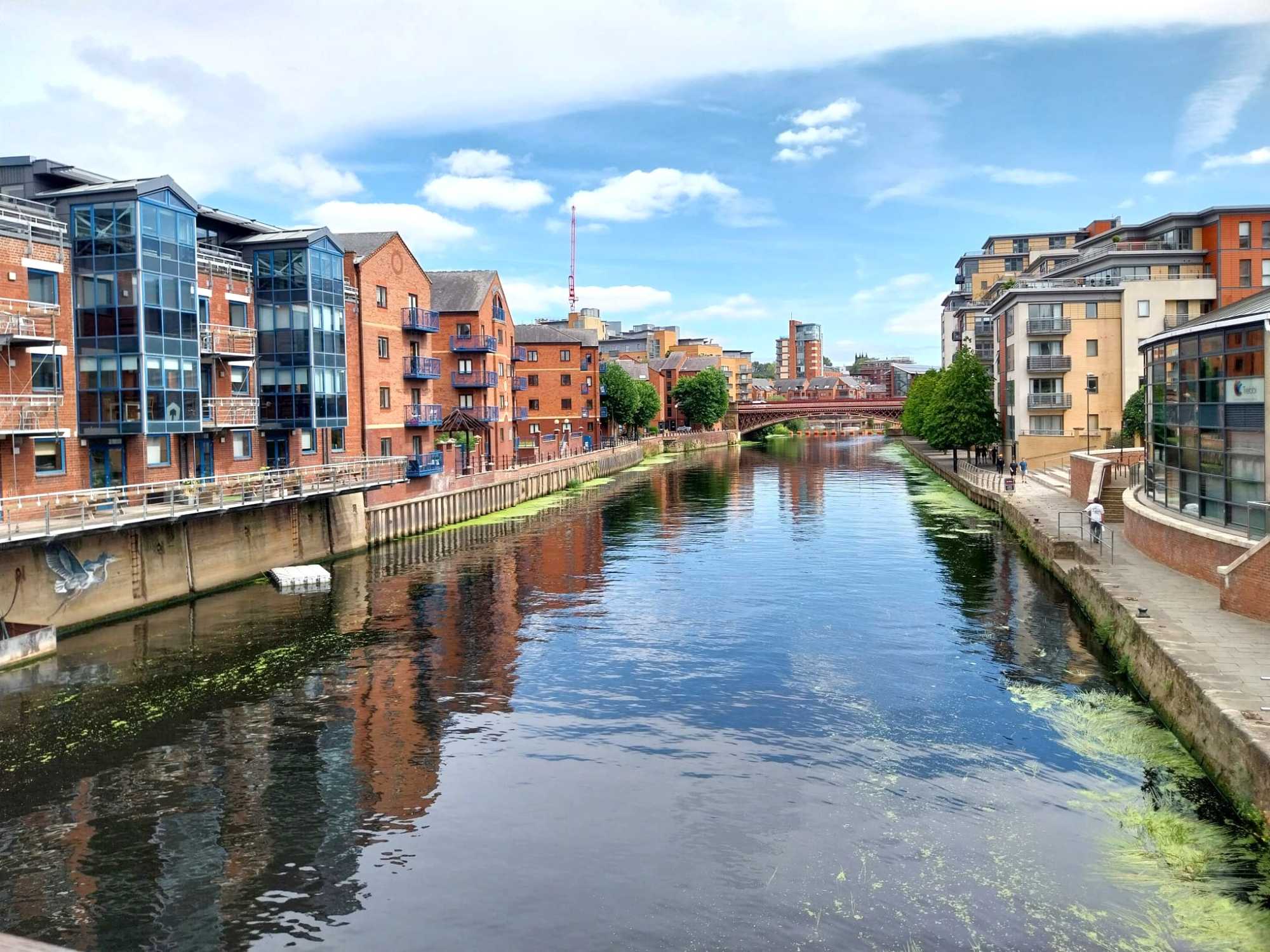 Leeds, 2026