Watchers and Walkers
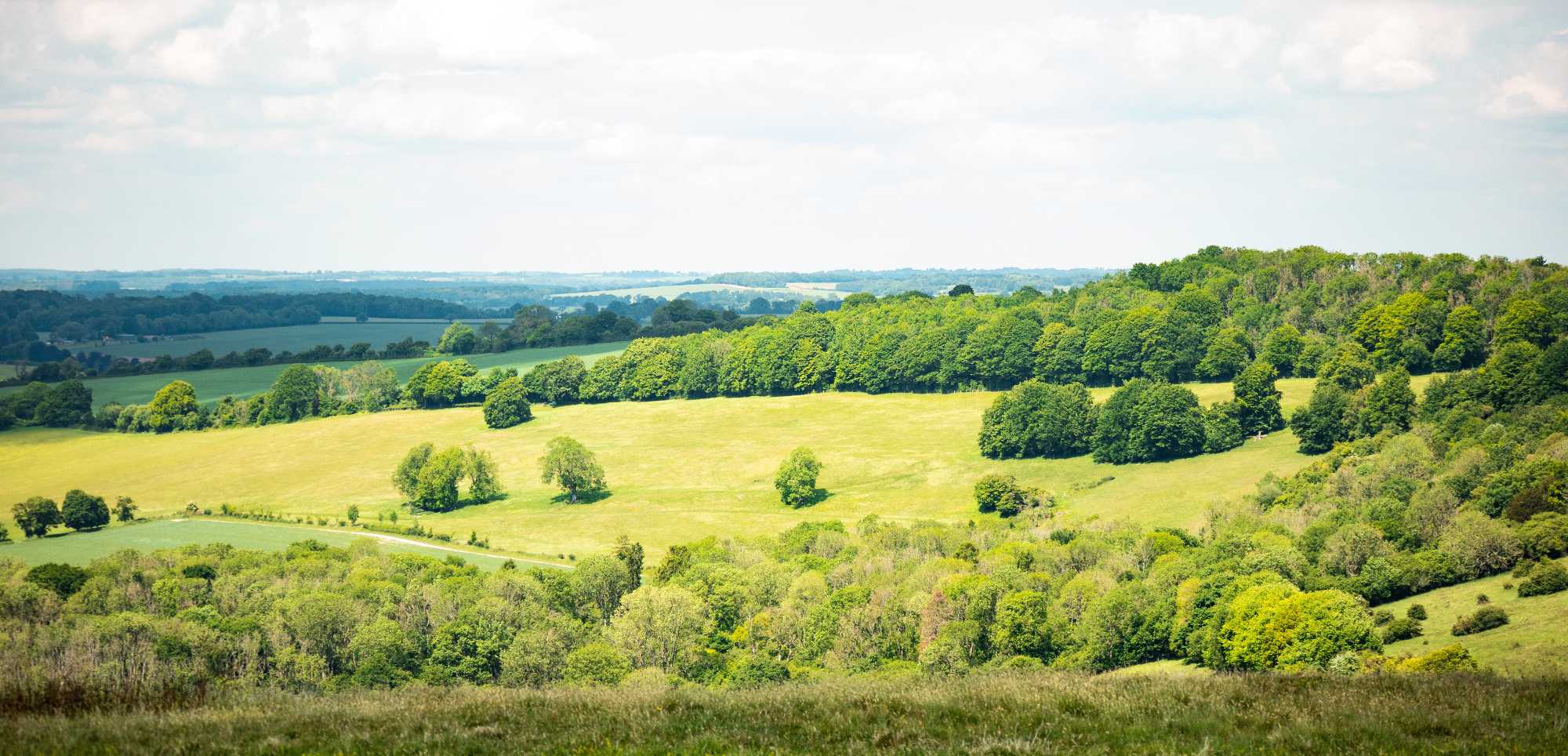
Watchers and walkers play a vital role in safeguarding natural spaces. Walking through nature and observing what surrounds us may seem ordinary, but it is a powerful way to develop a deeper connection with the natural world. People who spend time walking and hiking often build a strong sense of attachment to the places they visit.
Research shows that hikers and walkers are more likely to demonstrate pro-environmental attitudes and behaviours. As a result, walkers frequently become advocates for the environments they value. When familiar paths, habitats, or ecosystems are threatened, they are often among the first to speak out, mobilising through community campaigns, protests, and legal action to protect the landscapes they value.
Watchers are people who observe and monitor the environment, such as birdwatchers, rangers, or citizen scientists; helping to detect changes in wildlife populations, pollution, or habitat damage. Their observations often provide valuable data that can support conservation efforts. Together, watchers and walkers help raise awareness, report environmental issues, and promote the protection of ecosystems.
-
Best practice for walkers
To make your walks better for both yourself and the environment, it is helpful to follow some basic advice about what you should and shouldn’t do when walking in nature.
Good preparation
Plan your trip in advance by researching the route, terrain, and level of difficulty before you set out. Be sure to check the weather forecast and wear appropriate clothing and equipment. In mountainous areas, weather conditions can change quickly, and steep, rocky paths can become hazardous if you are not properly prepared. If you are going for a hike, it is recommended to bring essential items such as food and water, spare clothing, and a first-aid kit.
For more recommendation on what equipment to prepare before going hill walking, click on this link.
Protecting nature while you walk
When planning your trip to your next walking locations, try to consider sustainable ways of travelling, such as using public transport or sharing lifts with others to reduce carbon emissions. Additionally, visiting less crowded areas can help reduce pressure on popular routes and protect landscapes that receive large numbers of visitors.
When walking through natural areas, stay on marked paths for both your safety and the protection of the environment. Doing so reduces the risk of accidents and helps preserve the delicate ecosystems you pass through. This is especially important in areas that are popular with hikers, where leaving the paths can lead to excessive trampling of vegetation and increased soil erosion, both of which can damage natural habitats.
Keep a safe distance from wildlife to avoid disturbing them. Seeing animals in their natural habitat is a wonderful experience, but resist the urge to get too close, especially during sensitive periods such as breeding or nesting seasons.
Follow the “Leave No Trace” principles by leaving places exactly as you found them. Always take all of your litter with you, including food waste, to help protect the natural environment.
Respect the land and look after yourself.
Respect for local communities, landowners, and farmers is also important. Many walking routes pass through land that is privately owned or actively used for farming, so it is important to follow signs, close gates behind you, and avoid disturbing livestock and crops. Keeping dogs under control, especially near sheep or cattle.
Nature walking can provide significant physical and mental health benefits. Being in natural environments has been shown to reduce stress and support mental wellbeing. However, walkers should also look after their own safety and comfort by staying hydrated, eating regularly, and taking breaks when needed.
Useful tools for walkers and watchers
- Species identification tools
The apps listed below can help you identify the species you encounter during your walks. Whether plant, fungus, or animal, there are many applications available to help you recognize them and learn more about these species. Many of these apps are based on citizen science, allowing users to collect data on the distribution of flora and fauna. By recording your observations, you contribute to citizen science and support ecological research.
iNaturalist: global citizen-science platform where users upload observations of any organism to help document and identify biodiversity. Link to iNaturalist
eBird: global bird-observation platform where birdwatchers submit sightings that contribute to large-scale ornithological research and conservation. Link to eBird
Merlin Bird ID: AI-powered bird identification app that helps users identify bird species from photos, sounds, or simple questions. Link to the Merlin App
BirdTrack: citizen-science app that allows users to record bird sightings to help monitor bird populations and migration patterns. Link to BirdTrack
LeafSnap: Plant Identification: uses image recognition to identify trees and plants from photos of their leaves. Link to LeafSnap
Pl@ntNet: is a collaborative plant identification platform where users upload photos to help identify plant species using AI and community input. Link to Pla@ntNet
Flora Incognita: plant recognition app that identifies plant species from photos while contributing observations to biodiversity research. Link to Flora Incognita
Flora Capture: citizen-science app used to document plant species in the field through photographic records and geolocated observations. Link to Flora Capture
iNaturalist: global citizen-science platform where users upload observations of any organism to help document and identify biodiversity. Link to iNaturalist
- Insection and pollinators
iRecord Butterflies: mobile tool for recording butterfly observations that contributes to national monitoring of butterfly populations. Link to iRecord Butterflies
eButterfly: is a citizen-science platform where users log butterfly sightings to support research on distribution, abundance, and conservation. Link to eButterfly
Spipoll: pollinator monitoring app that allows users to photograph and record insect pollinators visiting flowers. Link to Spipoll
- Mammal, bat and wildlife monitoring
iMammalia: citizen-science platform for recording mammal observations and tracking mammal distribution across regions. Link to iMammalia
iSeeMammals: wildlife monitoring app that collects data on mammals through sightings, camera trap photos, and track observations. Link to iSeeMammals
Echo Meter Touch Bat Detector: allows users to record ultrasonic bat calls and helps identify bat species using acoustic analysis. Link to Touch Bat Detector
FrogID: identifies frog species from recorded calls and contributes data to amphibian monitoring projects. Link to FrogID