Hunters and Anglers
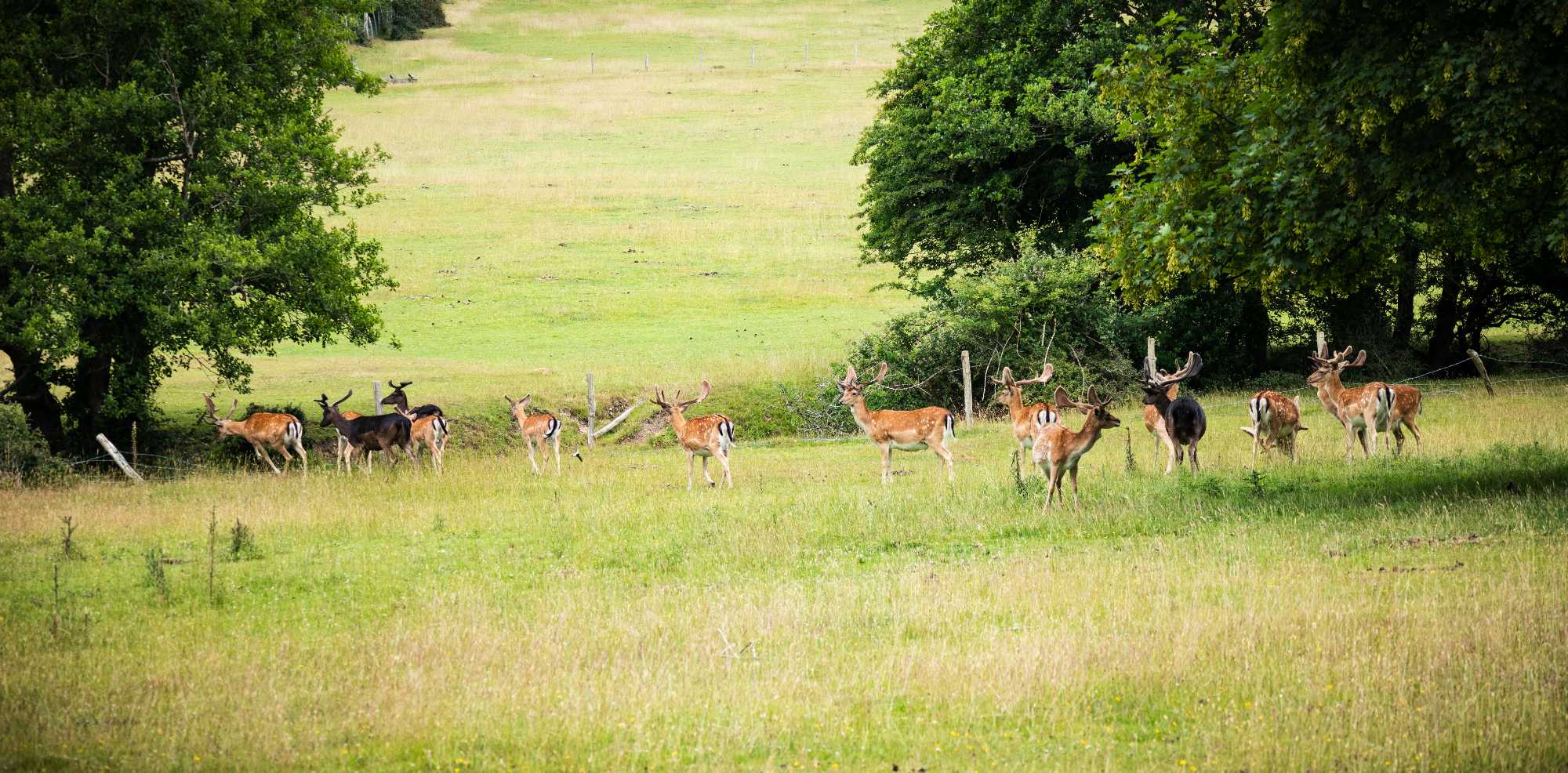
Hunting involves around seven million people across Europe and makes an important contribution to rural economies, conservation and livelihoods. Hunters contribute time, knowledge and funding to habitat restoration, wildlife monitoring and conservation.
Hunting has deep cultural roots in many European communities, with knowledge and practices passed down through generations. Through their regular presence in the countryside, hunters are often among the first to observe changes in wildlife populations, signs of disease and changes in habitat conditions.
Alongside these wider contributions, sustainable hunting is an important wildlife management tool. In landscapes where ungulate populations create significant pressures, well-managed hunting can help limit damage to habitats, crops and forests. High densities of deer or wild boar, for example, can affect woodland regeneration, vegetation and other species. Guided by scientific evidence and monitoring, sustainable hunting can help reduce these pressures and support biodiversity.
Effective wildlife management requires a combination of measures, including habitat conservation, monitoring and cooperation between hunters, landowners, researchers and public authorities. Within this approach, hunters can help manage wildlife populations while protecting and restoring the habitats on which they depend. The FACE Biodiversity Manifesto illustrates this contribution through several hundred examples of successful hunting-related conservation projects across Europe.
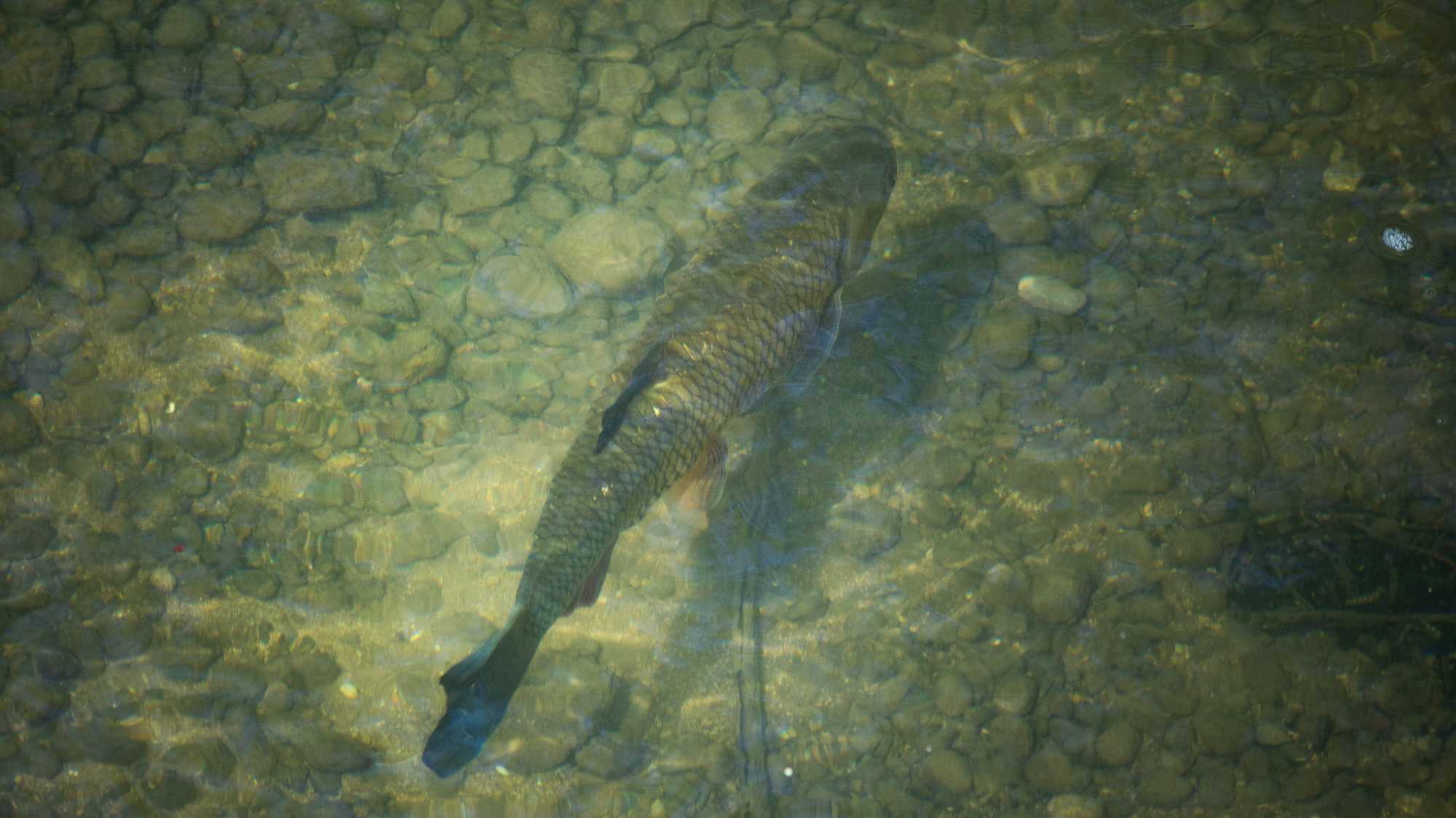
Anglers too can contribute to environmental protection by using their knowledge of local waters and fish populations to support sustainable practices. They can help monitor ecosystem health, participate in habitat restoration, and follow regulations that protect vulnerable species. In some cases, their efforts have aided in improving river habitats, supporting fish populations, and assisting in the reintroduction of certain species. A good recent example is eel fisher Declan Conlon, who has taken authorities to court over the severe pollution and ecological collapse of Lough Neagh, arguing that regulators failed to act despite clear environmental damage (See news article). By working alongside conservation initiatives, anglers can help maintain balanced aquatic ecosystems while supporting the long-term sustainability of their activity.
More examples of conservation through hunting and angling are on Naturalliance-UK.
- MyHunt: A UK-focused hunting app that provides offline maps, GPS tracking, weather data, and tools to manage hunting areas and records. Link to the app
- HuntStand: Combines GPS mapping, weather tracking, and land management tools to help hunters plan and track their hunts efficiently. Link to website
- Basemap Hunting GPS: Offers high-resolution satellite imagery, offline maps, and real-time tracking to improve scouting and navigation in the field. Link to website
- Huntwise: Uses hunting forecasts and mapping tools to predict the best times and locations to hunt different species. Link to web
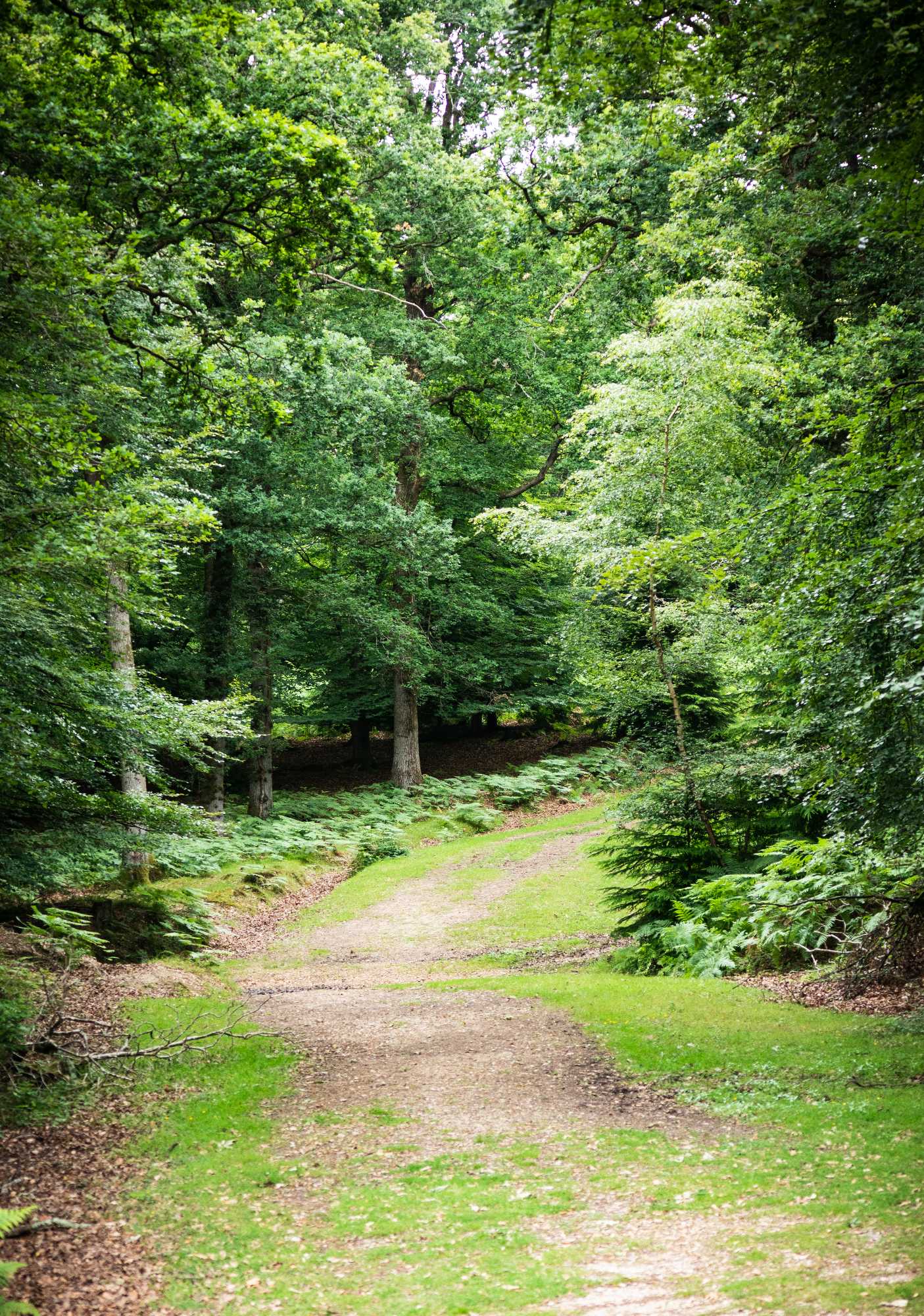
Path through the New Forest (2025)
Useful tools for Anglers
FishPal: helps anglers find and book fishing opportunities, while providing information on river levels, recent catches and rod availability. Its mobile app provides up-to-date information on fishing conditions, catches and available fishing, helping anglers plan trips and make informed decisions about where and when to fish.
Visit FishPal's website
FishVerify: a fish identification and regulation app that helps anglers identify fish species and check fishing rules. Link to FishVerify
Fishbrain: A popular fishing app that helps you find fishing spots, track catches, and learn from a global community of anglers with maps and bite forecasts. Link to website
Fish Buddy: A UK and Ireland-focused angling app that helps you find fisheries, check tides and weather, and log your catches. Link to website