Local communities and neighbourhoods
Local communities are the people who live in, use and enjoy the natural spaces around them. This puts them in a strong position to notice changes such as habitat loss, pollution or declining wildlife, and to take action to address them. They also hold valuable local knowledge about the places and species around them. Communities can develop a shared sense of responsibility for the places and natural resources they depend on. Creating this sense of ownership is important for long-term conservation of nature, as people are more likely to care for and preserve places they feel connected to.
Working together, local residents can improve their surroundings, support nature and help ensure that local natural resources remain healthy for future generations. There are some ideas for individual activities below. Building groups that can work together requires more skill, because people don’t always agree immediately on what is best. It can be important to meet and talk with all those who may be interested in an idea. It can be good to start by seeing how much support there is, through a simple survey. If you take the right initial steps, you may have more support and expertise locally than you think. A good start is to read through the Deep Change manual.
Opportunities for communities: - Greening your streets and shared spaces
Have a look at the spaces you share with your neighbours. Can you find simple ways to make them greener? Maybe by planting native trees, flowers and shrubs in communal areas, or creating community gardens, or turning unused patches of grass into areas for wildlife? Even in streets dominated by concrete, pots and planters can be used to grow flowers and climbing plants. These changes can provide food and shelter for wildlife, create habitats for pollinators, and provide shade that helps keep neighbourhoods cooler during hot weather.
- Sharing, reusing and reducing waste
Can you find ways to share resources and avoid throwing useful things away? How about setting up local tool libraries, repair or swap schemes where neighbours can lend, fix or exchange items instead of buying new ones? Maybe you already have places where people leave and take books for free. Composting food and garden waste can also turn something that would otherwise be thrown away into useful material for local gardens. These activities reduce waste and consumption while making it easier for neighbours to share resources.
- Looking after and monitoring local nature
You could consider getting involved in practical activities that help keep nature healthy, such as litter picking, restoring habitats and removing invasive species. You could record the plants, insects, birds and other wildlife you see in your neighbourhood using a recording app. Regularly recording what is present can help you notice changes over time, identify areas that may need attention and build a better picture of the wildlife in your local area.
- Bring people together
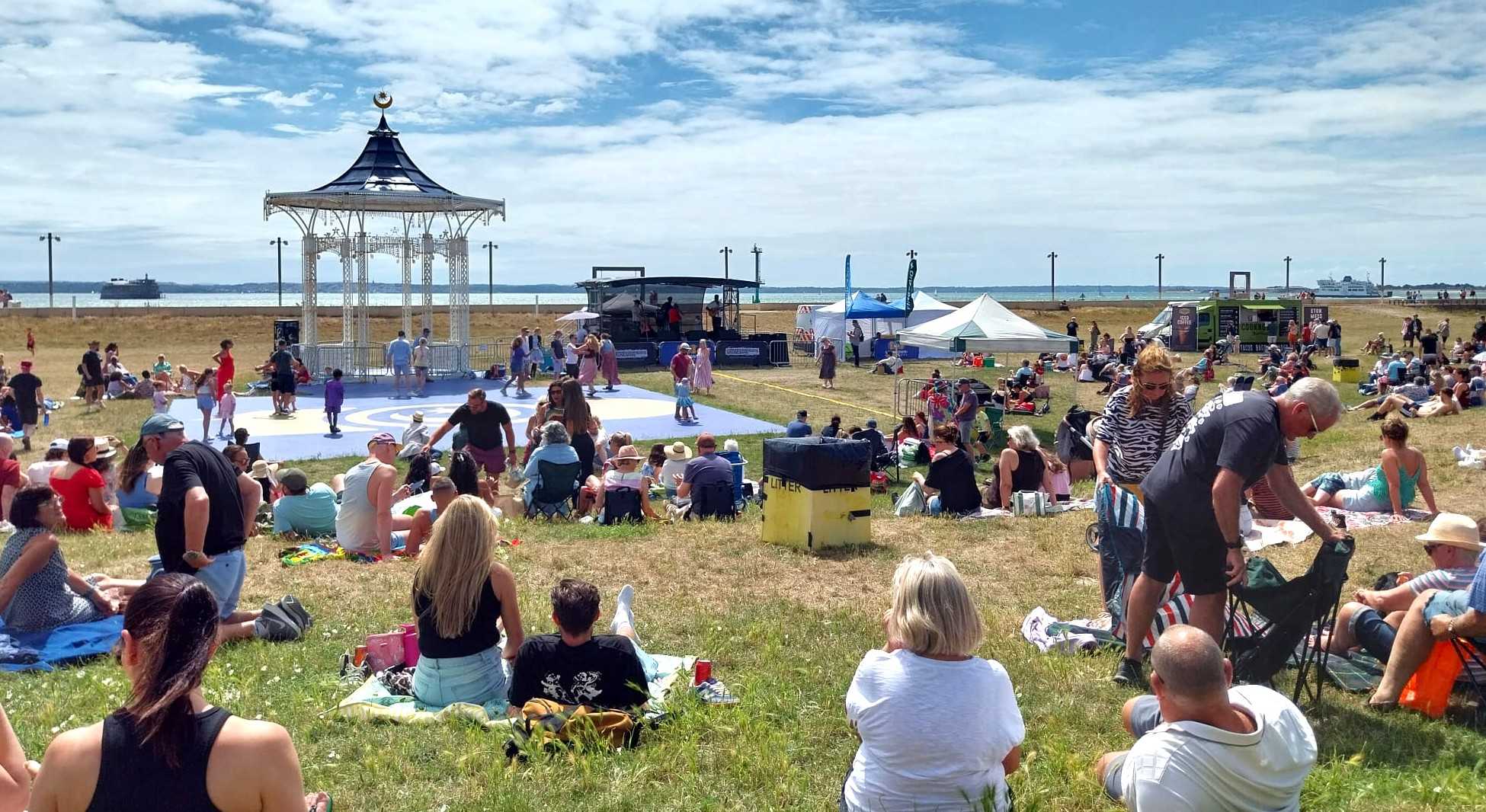
Helping nature can bring opportunities for neighbours to meet, share activities and support one another. Community meals, gardening groups, walking groups, book clubs, skill-sharing sessions and regular local events can help people build connections and reduce loneliness. Making these activities open and welcoming to everyone can help people feel part of their neighbourhood and more connected to the place where they live.
- Useful tools for local communities
CommuniMap: developed by the GALLANT project at the University of Glasgow, lets you record and share what you notice in your neighbourhood, from wildlife and trees to water, composting and local climate issues. Use it with your community to build a shared picture of your local environment and identify changes over time.
Link to the app
Nature's Calendar: a citizen-science project created by the Woodland Trust, lets you record seasonal changes such as when trees come into leaf or flowers bloom. Use it with your neighbours to track these changes and help scientists understand how nature is responding to weather and climate change.
Link to Nature's Calendar website
iNaturalist: photograph and identify plants, insects, birds and other wildlife. Share your observations to build a record of the species found in your neighbourhood and contribute to biodiversity research.
Link to iNaturalist's website
Library of Things: allows people to borrow items they only need occasionally, such as tools, gardening equipment and cleaning equipment. It can help neighbourhoods reduce consumption and waste while making useful equipment more affordable and encouraging people to share resources.
Link to website
Treezilla: a UK citizen-science project that allows people to map trees in their neighbourhood and record information about them. Communities can use it to understand what trees they already have, identify gaps and build a picture of the benefits that local trees provide.
Visit Treezilla's website